

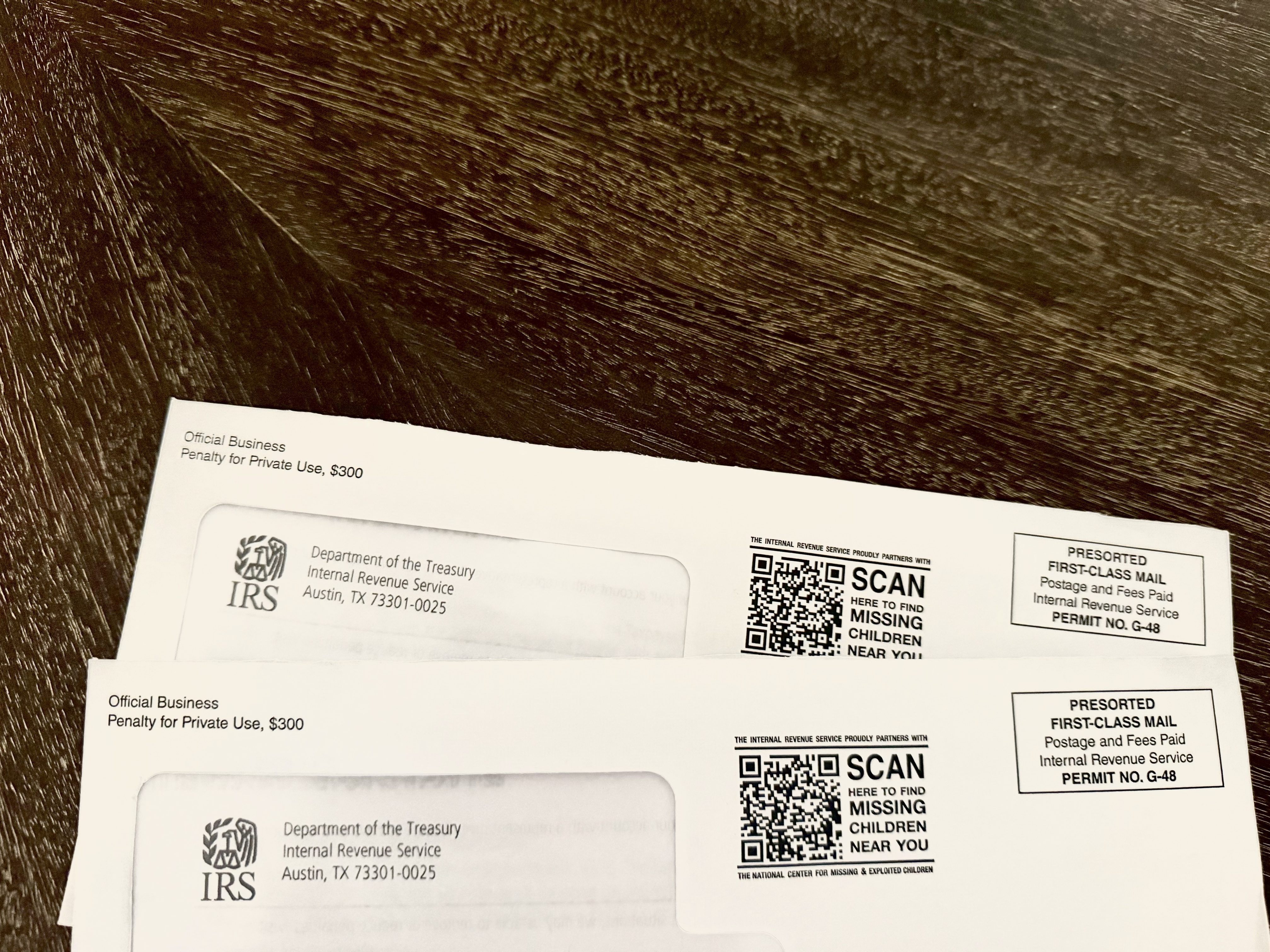
If you receive an IRS notice – don’t panic! Most IRS Notices are about 1 of 10 things, and none of them are as bad as they read. Send us a photo of the front and back of each page of your IRS notice, and we will respond within 1 business day to explain what it means. The following is a list of the most common notices. What they mean exactly can vary from case to case.
- CP2000
If you receive this notice, it means the income on your return does not match the income reported about you by a third party such as employers, banks, or brokerage firms. This notice was automatically generated by a computer. It has not been reviewed by a human before sending, and it can be disputed if incorrect. It is a proposed change, not a bill. It is also not a formal audit. The notice will need to be either acknowledged and paid or disputed with supporting documents.
- CP14
The IRS is claiming there is an unpaid balance associated with your account. This notice is a bill, but not an audit. The IRS has processed your return and determined you owe them money in the form of unpaid taxes, penalties, and/or interest. The notice can be accepted and paid either partially or in full, or it can be disputed with supporting documents.
- CP501
This is the first reminder about an unpaid balance on your account. These are mailed out about 5 weeks after a CP14 notice. This notice will list the initial amount due as well as the new penalties and interest that has been added. This is just a reminder and not a final notice, however failure to respond will lead to more urgent follow up letters. This notice can be paid in part or in full, disputed, or ignored if you are certain the issue has already been resolved.
- CP503
This is the second reminder about an unpaid balance on your account. This is sent out if you do not respond to the first 2 notices. The options for responding are the same as CP501 and CP14
- CP504
This is a formal Notice of Intent to Levy sent when the IRS does not receive a response to the first 3 notices they send. This notice is a reminder that the IRS can seize or levy assets to pay off your debt, negatively impact your credit score via Federal Tax Lein, or deny/revoke your US passport. While this notice is serious and should not be ignored, the IRS cannot yet garnish your wages or drain your account. The options for responding are still the same as the first 3 notices.
- CP523
There are a few reasons you may have received this notice. It is sent out due to missed/late payments, new tax debt, failure to file, or other unmet conditions. Typically the best response to this notice is to remedy the issue by paying, getting on a payment plan, or sending in the required documents. If the notice was sent in error, it can be disputed. Sometimes the dispute can be handled over the phone, and other times an appeal needs to be filed.
- LT11
This notice is an intent to seize assets such as bank accounts, wages, personal property, vehicle, and social security benefits due to a failure to pay an outstanding balance. This is a final notice and would be sent out after multiple of the above notices. Unless you intend to pay the balance or set up a payment plan, it is highly recommended that you work with a professional to resolve the issue.
- Letter 1058
This notice is often paired with or compared to the LT11. While the LT11 is issued by the Automated Collection System, the Letter 1058 is typically issued by the IRS Officer working on your specific case. The steps and options for handling this letter are the same as the LT11. Due to the serious nature of these two notices, it is recommended you work with a professional unless you simply intend to pay the balance.
- A Revenue Officer Contact
This notice is sent because an assigned IRS Revenue Officer is investigating your account to gather missing returns, review your finances, and determine your ability to pay. There are a few variations of this letter which can include meetings or reviews. In the event that your letter includes a meeting or review, it is recommended you work with a professional to resolve the issue.
- Examination Letter
This notice is sent when a return has been selected for audit. The notice should specify the year in question as well as the forms or information the agent would like to see. This notice should not be ignored. You can request an extension, but you ultimately need to send the supporting documents requested.
As you can see, there are multiple options for responding to or even disputing the notices the IRS sends. For almost all of them we recommend consulting a professional to help you navigate the process. Receiving a notice can feel overwhelming, but we are here to help.